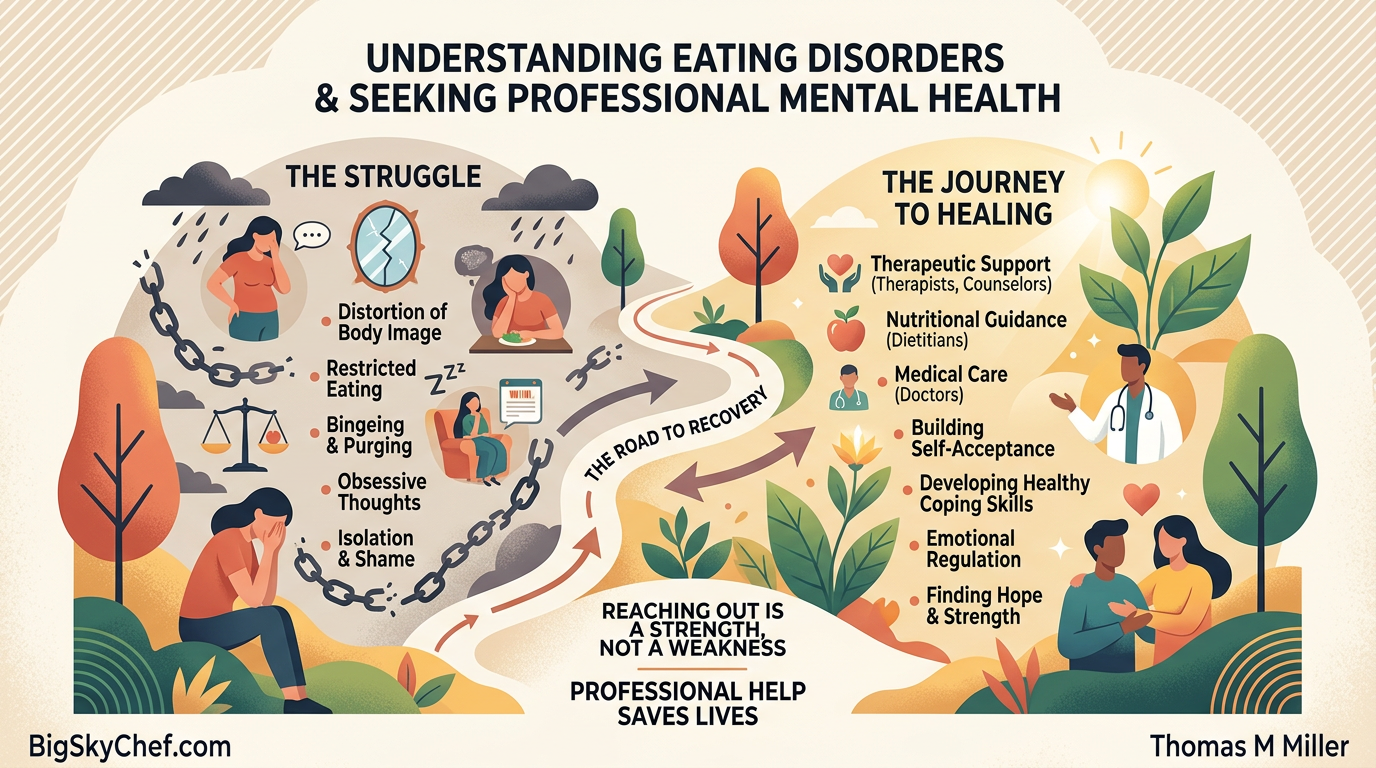

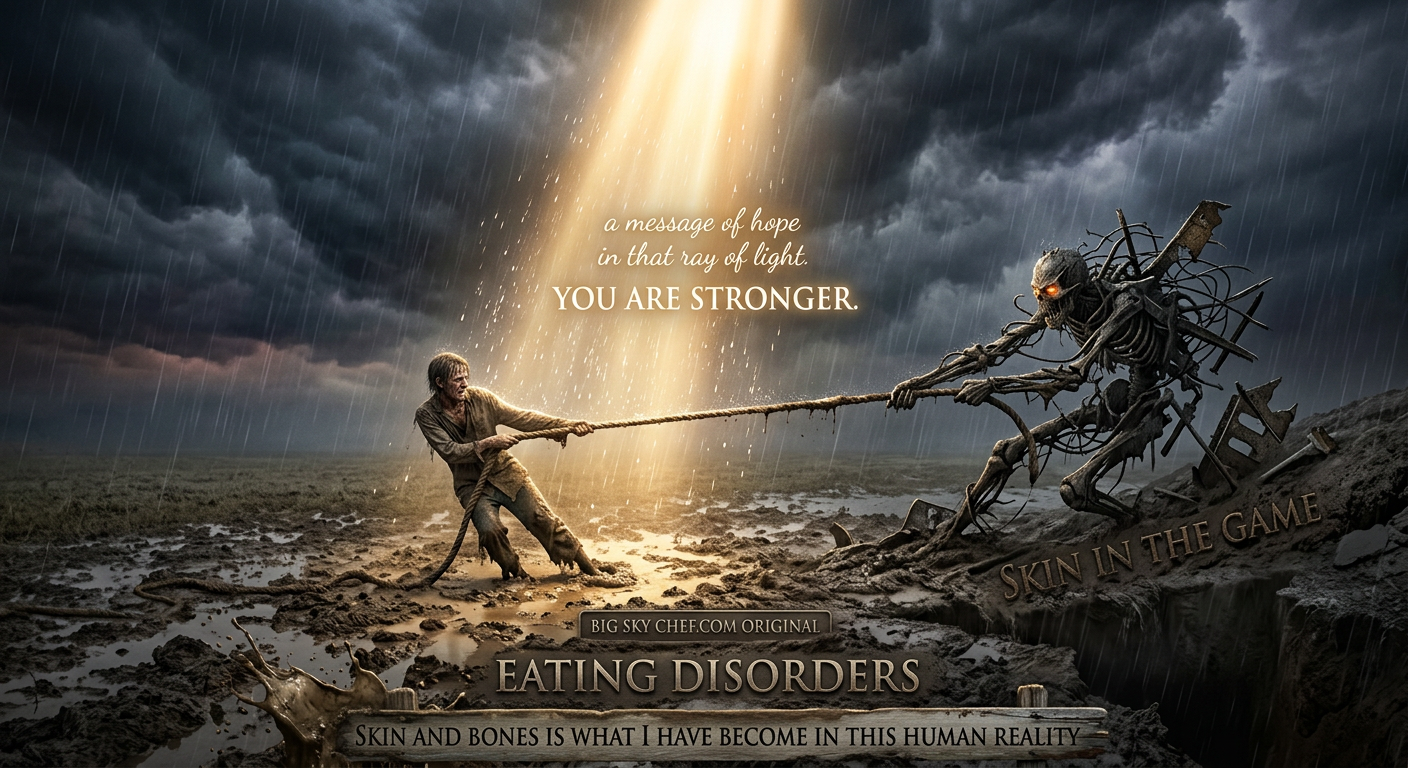
Welcome to THE RELUCTANT CHEF, based on the career menu collections of Culinary Specialist Thomas M Miller and his testimony of the ruthless struggle with ED (eating disorders)

BigSkyChef.com presents an intriguing tale from its Career Menu Collections featuring Culinary Specialist Thomas M Miller. Born with exceptional talent and a natural affinity for all things related to Food Service, Miller quickly rose to become a renowned expert in his field. His journey is an inspiring one, showcasing how passion and dedication can lead to great success in the culinary world. However, the story takes a unexpected turn as Miller grapples with eating disorders, turning the simple act of eating into a mentally and physically challenging ordeal.

Despite his initial success and culinary prowess, Miller's battle with eating disorders sheds light on the often-unseen struggles faced by individuals in the food industry. The demands of the profession, coupled with society's expectations regarding body image and food consumption, can result in mental health challenges that are all too real for many in the culinary world. Miller's story serves as a reminder that even the most talented and accomplished individuals can be vulnerable to such issues, highlighting the importance of mental health awareness and support in the industry.

Through Miller's journey on BigSkyChef.com, viewers gain a deeper understanding of the complexities of the culinary world beyond just creating delicious dishes. His story serves as a poignant reminder of the importance of self-care, mental health awareness, and seeking help when needed. By sharing his struggles with eating disorders, Miller bravely confronts the stigma surrounding mental health in the food industry, encouraging others to prioritize their well-being and seek support when faced with similar challenges. Ultimately, Miller's story is a testament to resilience, courage, and the transformative power of seeking help and speaking out about mental health struggles.
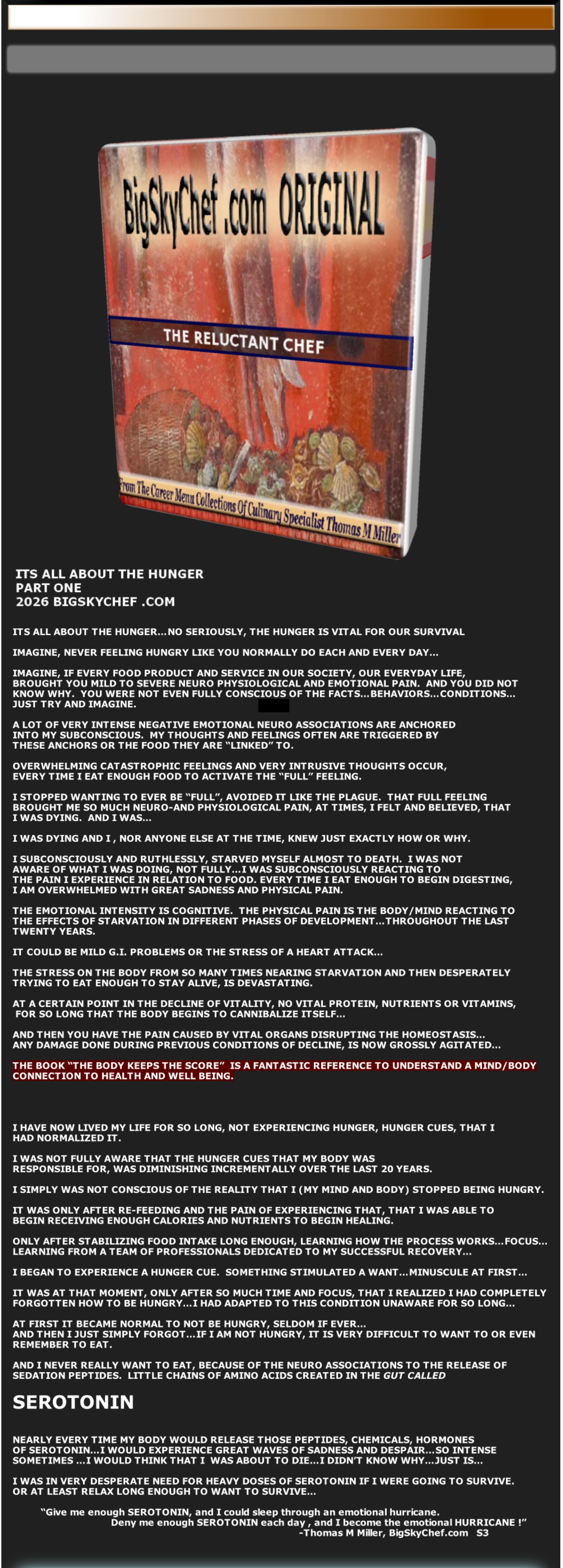
ABOUT THE RELUCTANT CHEF
Thomas M. Miller is a culinary specialist who was born with a natural ability and talent for all things related to food service. From a young age, he excelled in cooking and had a passion for creating delicious dishes that would please anyone who tasted them. His journey in the culinary world was marked by success and recognition for his innovative recipes and unique approach to food preparation.
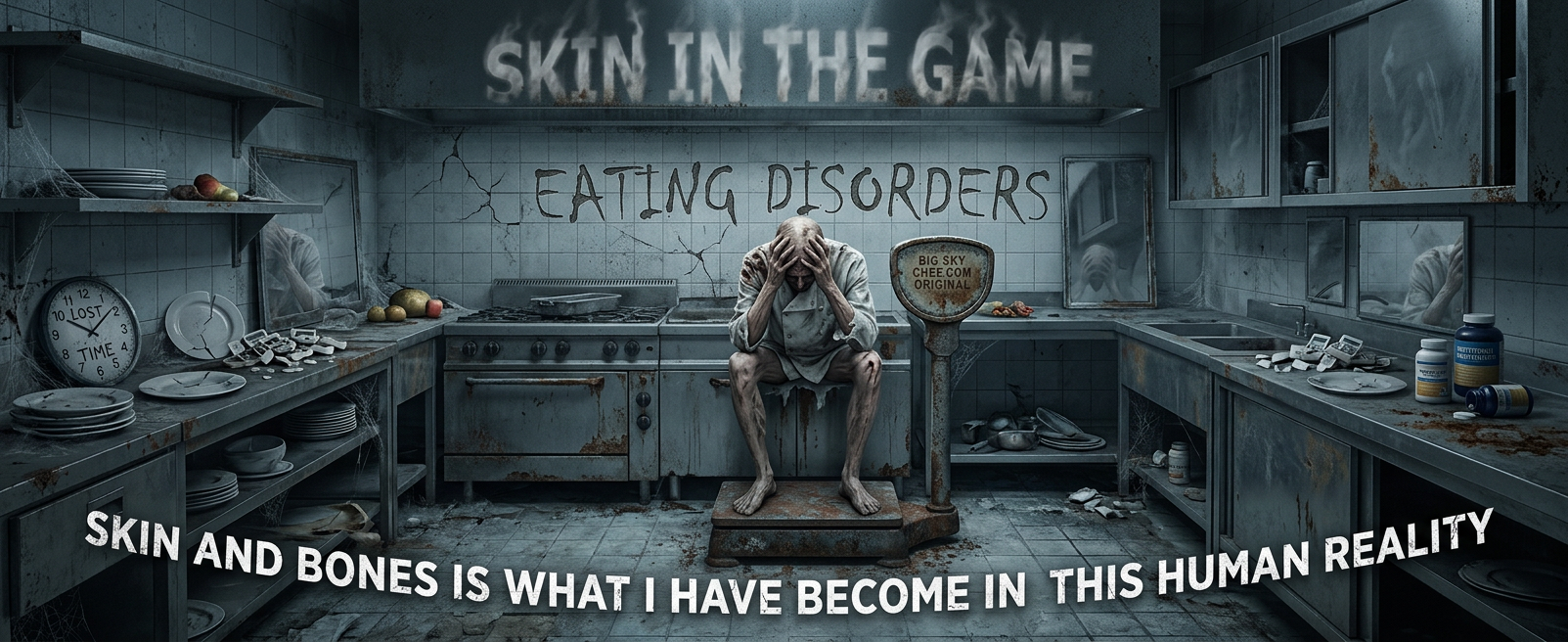
As Thomas reached the peak of his career, he encountered a challenging time when he started to suffer from eating disorders. This made it incredibly difficult for him to maintain a healthy relationship with food and eating, as the mental and physical challenges associated with the disorders took a toll on his daily life. Thomas had to navigate through this difficult period and find ways to cope with his struggles while continuing to excel in his profession as a culinary specialist.
Despite facing eating disorders that presented obstacles to his everyday life, Thomas M. Miller persevered and found ways to overcome these challenges. Through seeking support, therapy, and implementing healthy coping mechanisms, he was able to regain control over his relationship with food and focus on his passion for culinary arts once again. His story serves as a reminder that even the most talented individuals can face adversities, but with determination and resilience, they can emerge stronger and continue to pursue their dreams.


What Is an Eating Disorder?
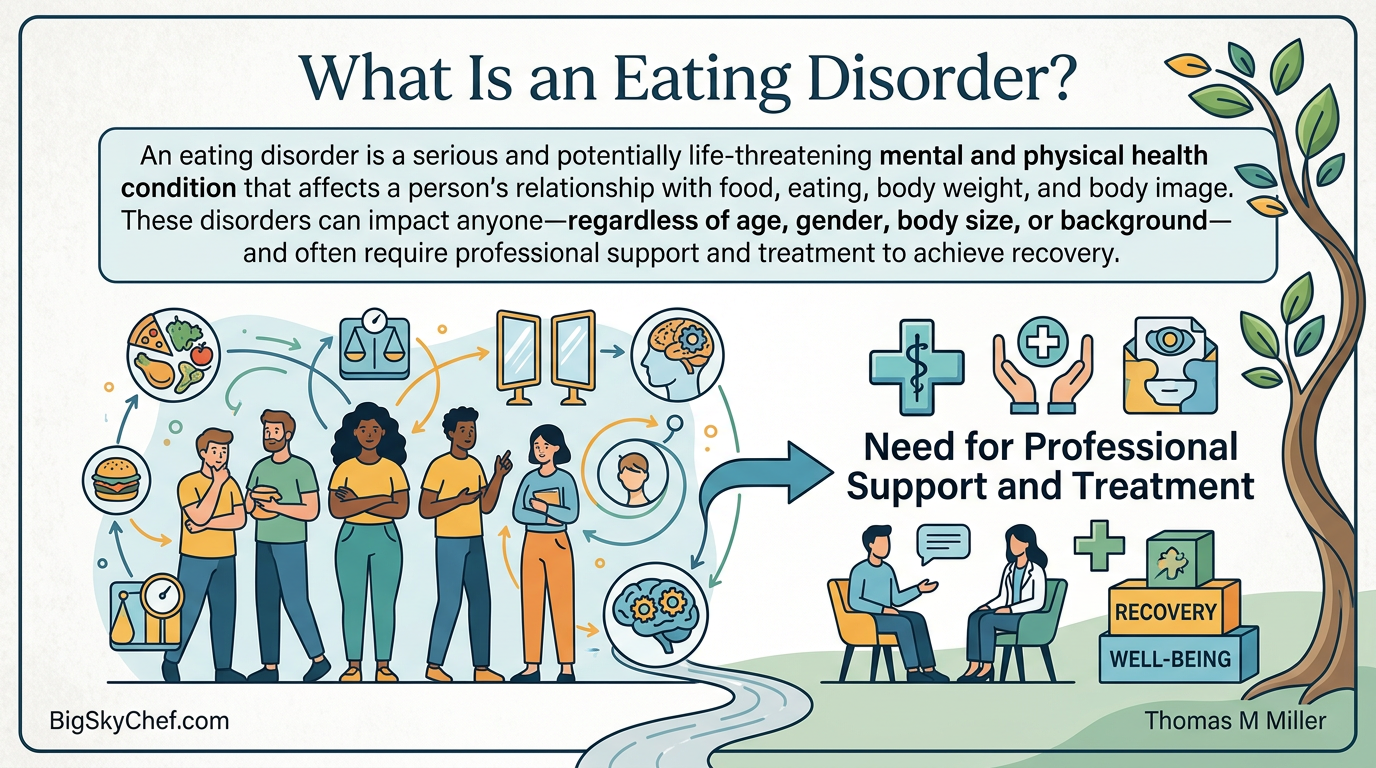
An eating disorder is a serious and potentially life-threatening mental and physical health condition that affects a person’s relationship with food, eating, body weight, and body image. These disorders can impact anyone—regardless of age, gender, body size, or background—and often require professional support and treatment to achieve recovery.
Common Types of Eating Disorders
Anorexia Nervosa: Characterized by severe restriction of food intake, an intense fear of weight gain, and a distorted perception of body weight or shape.
Bulimia Nervosa: Involves recurring episodes of binge eating followed by compensatory behaviors, such as self-induced vomiting, excessive exercise, or misuse of laxatives, to avoid weight gain.
Binge-Eating Disorder (BED): Marked by repeated episodes of consuming unusually large amounts of food while experiencing a loss of control, without regularly engaging in compensatory behaviors.
Avoidant/Restrictive Food Intake Disorder (ARFID): Involves limiting food intake due to sensory sensitivities, lack of interest in eating, or fear of negative consequences such as choking, rather than concerns about body weight or appearance.
Signs and Symptoms
Eating disorders can present differently from person to person, but common warning signs include:
Significant changes in eating habits or routines
Preoccupation with calories, weight, or body shape
Skipping meals or eating very small amounts of food
Frequent episodes of binge eating
Excessive or compulsive exercise
Rapid weight loss or weight gain
Feelings of guilt, shame, or anxiety related to eating
Physical symptoms such as fatigue, dizziness, digestive issues, or missed menstrual periods
Recognizing these signs early is critical, as timely intervention can greatly improve recovery outcomes and overall well-being.
Why are eating disorders considered serious mental and physical health conditions?
Eating disorders can lead to severe health complications affecting the heart, brain, digestive system, bones, and other organs. In some cases, they can be life-threatening. However, recovery is possible with appropriate treatment and support.
What is considered effective Treatment for eating disorders?
Treatment often involves:
Mental health therapy (such as cognitive behavioral therapy)
Nutritional counseling
Medical monitoring
Family-based treatment, especially for children and adolescents
Medication in some cases
Eating disorders do not have a single cause. They usually develop from a combination of biological, psychological, and social factors.
Are there any Biological factors involved with eating disorders?
Some people may be more vulnerable to eating disorders because of:
Genetics: Eating disorders tend to run in families.
Brain chemistry: Differences in how the brain regulates mood, appetite, and impulse control may play a role.
Hormonal and developmental changes, especially during adolescence.
What are the psychological factors involved with eating disorders?
Certain mental and emotional challenges can increase risk:
Low self-esteem
Perfectionism
Anxiety disorders
Depression
Difficulty coping with stress
Trauma or adverse life experiences